Sumac: What It Tastes Like and What to Use Instead
Sumac is tangy, bright and lemony rather than spicy, and this guide covers how to use it, what to reach for when the jar is empty, and how to keep it fresh.
- Sumac tastes tangy, bright and lemony, and it is not spicy. [1]
- Lemon or vinegar is the closest direction for a substitute, added a little at a time. [2]
- Salt-cured or flour-mixed jars can taste different from pure sumac. [1]
- Sprinkle it on dips, salads, rice and roasted vegetables. [1][2][3]
- Store it airtight, away from light, heat and moisture. [1]
What sumac tastes like
Sumac is mostly known for being tangy and bright, and it is not spicy. [1] Some people describe it as lemony, which is why it is often used to give dishes a citrusy punch even when no citrus is involved. [1] Another description calls it strikingly sour and zesty, similar to a lemon. [2]
There is a little more to it than sourness. Sumac has a hint of vegetal pepperiness and earthiness. [1] Its vibrant red colour may suggest a strong aroma, but it gives off a light fruity scent. [2]
Sumac is also described as enhancing the flavours of the other ingredients in a dish, like salt, instead of overpowering them. [2] That makes it easy to use as a finishing sprinkle.
- Taste: tangy, bright and lemony. [1]
- Heat: not spicy. [1]
- Scent: a light fruity scent rather than a strong aroma. [2]
- Look: a deep crimson colour and a crushed, beaded texture. [2]
Why one jar tastes different from another
Sumac is made from the dried berries of a tree found in parts of Western Asia and the Mediterranean. [1] The berries used for the spice are red, unlike a poisonous sumac variety that grows white berries. [2] Growers wait until fall, when the berries have reached maturity, then harvest them and lay them out in the sun to dry. [1] After drying, the berries are chopped or ground into a very fine powder. [1]
Another description says the berries are dried, crushed and sieved to release the red powder around them. [2] That helps explain why a spice jar can range from a fine powder to something coarser and beaded. [2]
Producers also make choices that change the flavour. Some sumac is cured in salt, which gives it an additional salty layer of flavour. [1] Some producers mix the ground spice with small amounts of wheat flour, which cuts back its bold acidity. [1] In Palestine, pure "ballady" sumac is not combined with other ingredients, and it tends to be pricier but has a much stronger flavour. [1]
In practice, check the ingredient list when you can, and taste a pinch before you season a whole dish.
What to use instead of sumac
The sources point to two familiar sour ingredients. Sumac is often used in place of lemon when you want acidic flavour. [1] Its flavour also works well as a substitute for lemon or vinegar. [2] So when a recipe calls for sumac and your jar is empty, lemon or vinegar is the natural direction to look in.
The sources give no substitution amounts, so add lemon or vinegar a little at a time and taste as you go. Lemon and vinegar are liquids, so they suit dressings and marinades better than a dry sprinkle on top of a finished dish.
Sumac can also be turned into a sour liquid itself. The berries can be macerated in hot water and mashed to release their juice, and the liquid can be used as you would use lemon juice. [3]
In Arabic cooking, sumac is preferred over lemon for sourness and astringency. [3] That is a reminder that the two are related in purpose but not identical.
- For a lemony sour note: lemon. [1][2]
- For a sharp acidic note in dressings: vinegar. [2]
- Add a little at a time, since the sources give no ratios.
Sumac and the sours it stands in for
This table summarises what the sources say about sumac and the ingredients it replaces.
Plant-forward ways to use sumac
Sumac is used in Lebanese, Iranian, Moroccan and Italian cooking, among others. [2] Here are some meat-free ways to put it to work.
A sprinkle on dips is the easiest start. Sumac gives the smooth neutrality of chickpeas in hummus a surprising complexity. [1]
- Dips and spreads: sprinkle it over hummus, tzatziki and other dips, and over spreads like baba ganoush. [1][2]
- Salads: it is added to salads in the Levant, and it can also go on fruit salad. [1][3]
- Dressings and marinades: sumac juice is popular in salad dressings and marinades. [3]
- Roasted vegetables: its citrus tang makes it a common seasoning for roasted vegetables, as well as for marinades and spice rubs. [2]
- Onions: in Turkey it is often paired with thinly sliced onions as a topper. [1]
- Rice: in Persian cuisine, sumac is added to rice. [3]
- Stews and casseroles: the powdered form is used in stews and vegetable casseroles. [3]
- Snacks and bakes: it is used as a flavouring on popcorn and in pastries like doughnuts. [2]
- Spice blends: sumac is a consistent ingredient in traditional za'atar. [2]
Buying, storing and checking sumac
Sumac is relatively easy to find at many American grocery stores, in the spice aisle among other spice rack favourites. [1]
Store sumac in an airtight container, away from sunlight and excessive heat or moisture. [1] Ground sumac also keeps well if kept away from light and air. [3]
Opinions on freshness vary. Some sources claim ground sumac stays at its freshest for only a few months, while others claim proper storage can give it a shelf life of three to four years. [1] Whole dried sumac berries tend to stay fresh for longer than ground sumac. [1]
Before you use ready ground sumac, check it for its expiry date and for any sign of lumpiness or discolouration. [3]
| Situation | What the sources say |
|---|---|
| Lemony acidity without lemon juice | Sumac is often used in place of lemon for acidic flavour. [1] |
| Swapping in a familiar sour | Sumac's flavour works well as a substitute for lemon or vinegar. [2] |
| Arabic cooking | Sumac is preferred to lemon for sourness and astringency. [3] |
| A sour liquid from the berries | Macerate in hot water and mash; use the liquid as you would lemon juice. [3] |
Frequently asked questions
Is sumac spicy?
No. Sumac is known for being tangy and bright, not spicy, though it has a hint of vegetal pepperiness. [1]
Can I use lemon or vinegar instead of sumac?
Sumac's flavour works well as a substitute for lemon or vinegar, so those are the sours to think of when you have no sumac. [2] Add a little at a time, because the sources give no amounts.
Does sumac have a strong smell?
No. Despite its vibrant red colour, sumac gives off a light fruity scent rather than a strong aroma. [2]
How should I store sumac?
Keep it in an airtight container, away from sunlight and excessive heat or moisture. [1]
Is all sumac the same?
No. Some sumac is cured in salt, some is mixed with small amounts of wheat flour to cut its acidity, and pure ballady sumac is not mixed with other ingredients. [1]
Sources
- What Is Sumac? A Guide To The Vibrant Middle Eastern Spice - Tasting Table - What Is Sumac? A Guide To The Vibrant Middl (tastingtable.com)
- Spice up your life with sumac - Read about the wonders of sumac and get adventurous with your cooking by incorporating i (foodandhome.co.za)
- Sumac Glossary | Recipes with Sumac | Tarladalal.com (cdn.tarladalal.com)
Recipes that use this
 AI-generated image
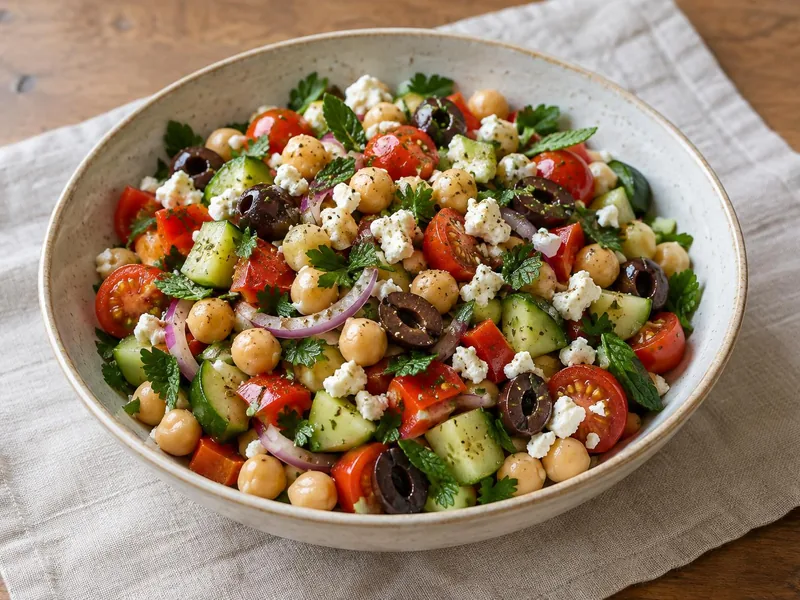
Mediterranean Chickpea Salad
Dried chickpeas are soaked cold overnight, simmered until creamy, and dressed while still warm so they take up the lemony garlic dressing.
 AI-generated image
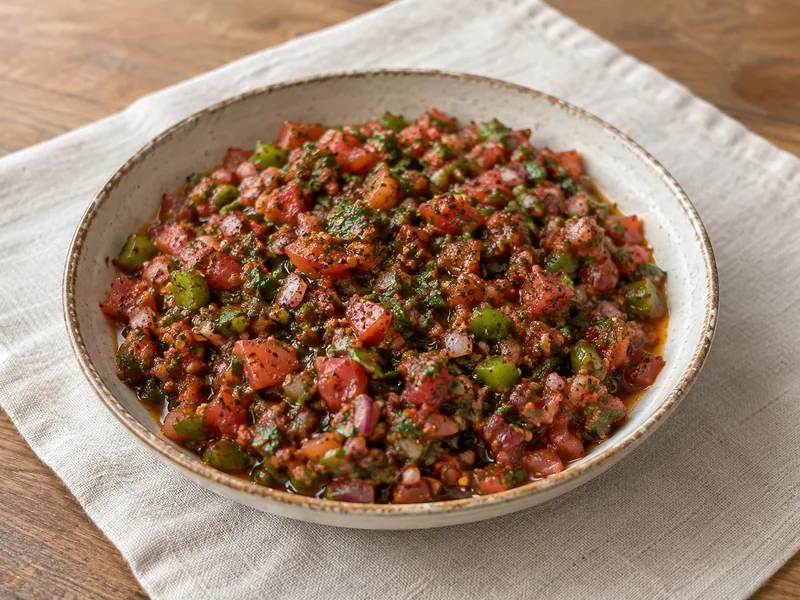
Ezme (Turkish Spicy Tomato and Pepper Salad)
A finely chopped, tangy and gently fiery tomato and pepper salad that works as a meze, a spoonable relish or a topping for grilled food.
 AI-generated image
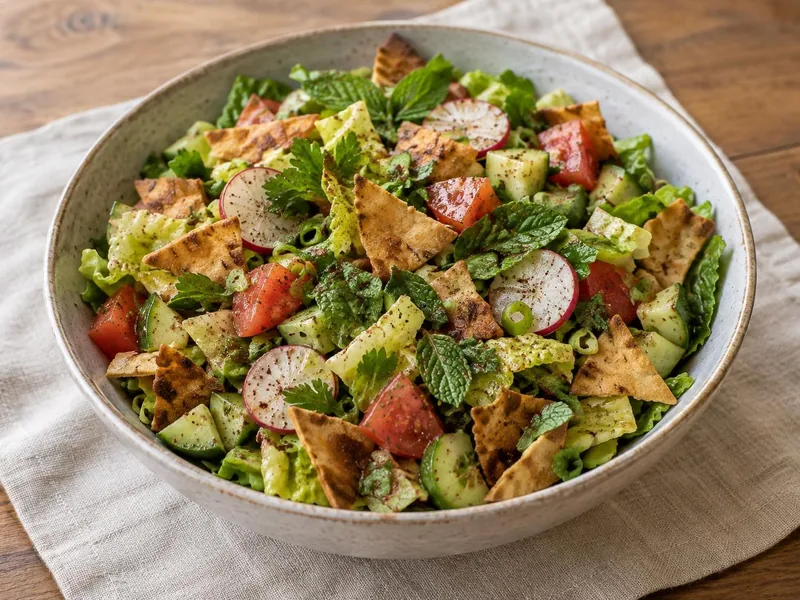
Fattoush
A crunchy Levantine bread salad of crisp pita, juicy vegetables and plenty of herbs, tossed in a tart sumac and lemon dressing.